



A significant shift is redefining the way technology is built, shared and imagined. Low-code AI and agentic AI are reshaping the landscape of software development. Detailed coding structures are being replaced with visual creation tools and intelligent automation. This evolution is not only enhancing development speed but also broadening who can contribute to it.
Logic once locked behind specialised expertise is now accessible through drag-and-drop interfaces and AI-driven systems that interpret intent, generate workflows, and optimise decisions in real time. As cloud platforms make enterprise-grade capabilities available to teams of all skill levels, innovation no longer hinges on the size of an engineering department. It relies on ideas emerging from every corner of an organisation. In this new landscape, creativity becomes the driver, AI becomes the collaborator, and software becomes something anyone can help shape.
How Low-Code Is Redefining Development Speed and Access
Low-code platforms are removing the friction that formerly defined software development. By enabling application creation via visual modelling, configuration plus reusable components, these platforms shift focus from complex coding to rapid problem-solving. While abstraction eradicates technical barriers, automation accelerates processes. Moreover, visual builders make logic understandable even to non-engineers. The result is a dramatic collapse of development timelines, one reason why 31 per cent of companies now consider low-code essential to their software strategy. Not only this, but 80 per cent of the companies view it as critical for faster development.
This shift is also an economic one. The global low-code market is anticipated to reach USD 264.40 billion by 2032. As demand intensifies and the talent gap widens, low-code becomes a strategic differentiator. It allows cross-functional teams to prototype, test, and deploy applications without waiting for full-stack resources. Also, it turns creativity into a shared organisational capability.
Agentic AI: From Automation to Autonomous Intelligence
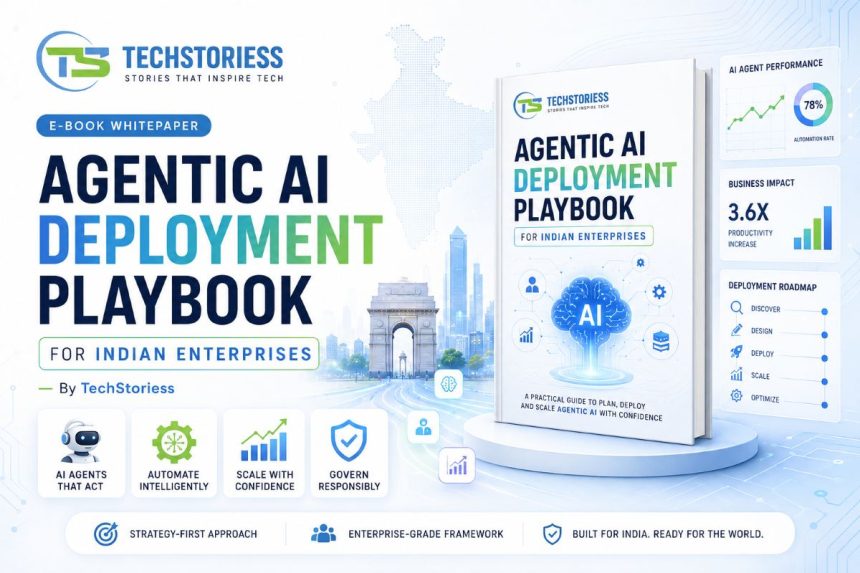
Agentic AI builds on this momentum by introducing systems that can analyse context, make decisions, and act autonomously. What was once dependent on advanced engineering talent is now accessible through cloud-native frameworks that package agent logic, orchestration, and learning models into ready-to-deploy stacks. Businesses can adopt agent-driven workflows without deep AI expertise.
At the same time, adoption is accelerating around the world. As per the Global Skill Development Council report, over 80 per cent of Indian firms are exploring agentic AI, while 50 per cent are already implementing multi-agent workflows. Globally, 51 per cent of firms have deployed AI agents. In addition, another 35 per cent plan to adopt them in the coming two years. By 2027, nearly 86 per cent of organisations are expected to operate with agentic AI systems embedded into their processes.
As these agents evolve, their capabilities are extending beyond simple task automation. They can collaborate with each other, negotiate priorities, interpret ambiguous instructions as well as adapt workflows based on real-time feedback. This shifts AI from a supportive tool to an autonomous operational layer, one that can optimise supply chains, manage customer service, analyse risks, and trigger decisions at machine speed. The true power of agentic AI lies in its ability to continually learn, refine outcomes, and scale intelligence across the enterprise without increasing human workload.
The Future of Democratisation: A Distributed Innovation Engine
While low-code and agentic AI converge, they form a powerful engine of democratisation, one where development is no longer confined to IT teams. Rather, it becomes a distributed practice across the organisation. Citizen developers can assemble workflows, business teams can design solutions tailored to real operational challenges, and AI agents can refine, optimise, and run these systems at scale.
Additionally, this paradigm shift is rewriting the norms of innovation. Apart from limiting dependency on specialised talent, it is also expanding who can participate in digital creation. It is also turning the workplace into a collaborative ecosystem where ideas emerge from a wider range of voices. The organisations that will thrive are those that view democratisation not as a passing trend but as a strategic mindset—one that equips every employee to imagine, build, and refine digital solutions.
In this transformed era, low-code becomes the creative surface, agentic AI delivers the intelligence, and democratisation places the power to build in many hands. Organisations that embrace this shift will accelerate innovation through collective creativity rather than specialised headcount.